

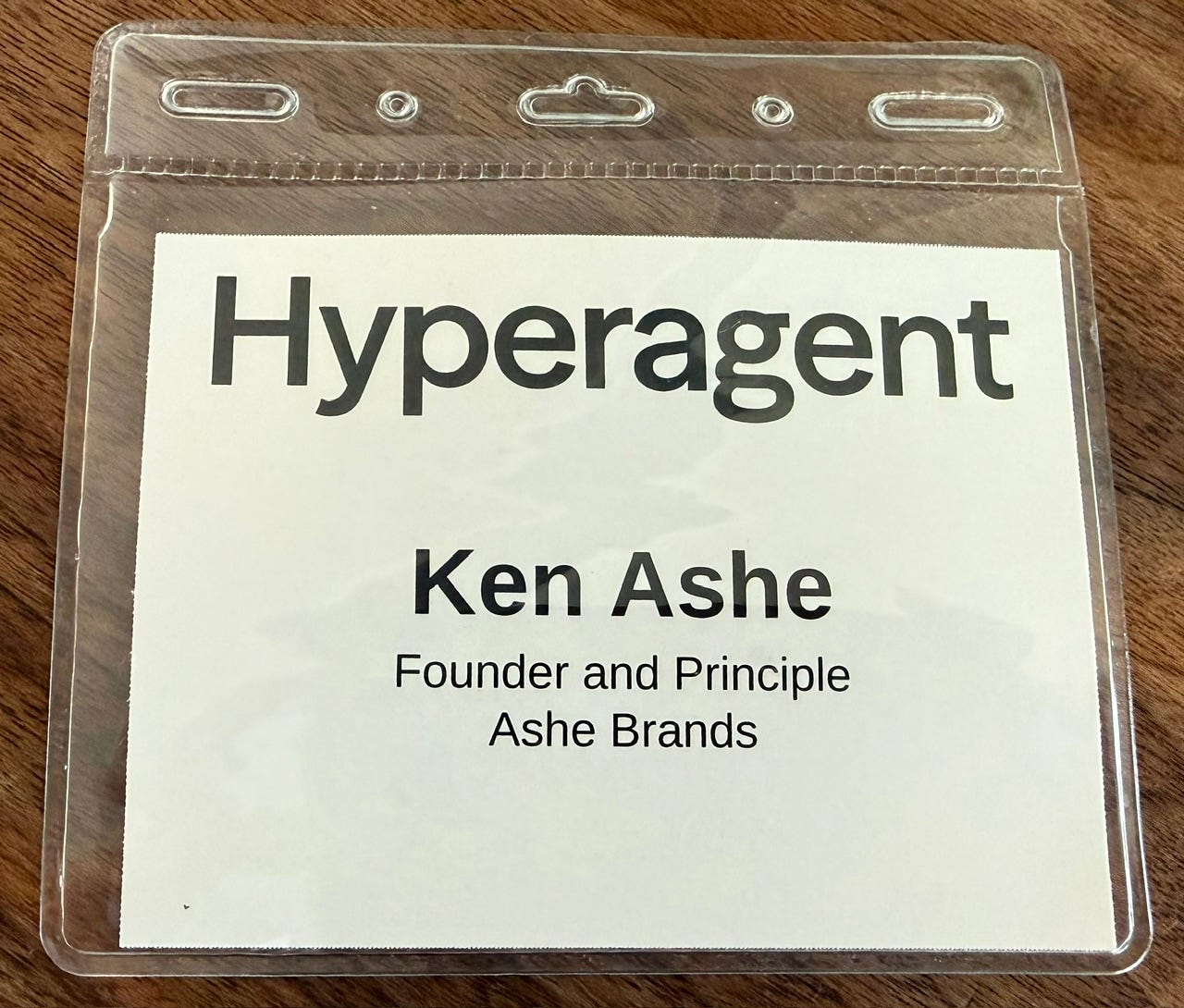
Yesterday I spent the afternoon at Agent Battle Night, a NY Tech Week event hosted by Hyperagent, Airtable’s platform for building and deploying fleets of agents. The premise was simple and a little ruthless. Build an agent on the spot. Point it at a real person in the room. Let it pitch, live, while everyone watches it land or flop. Then the room votes.
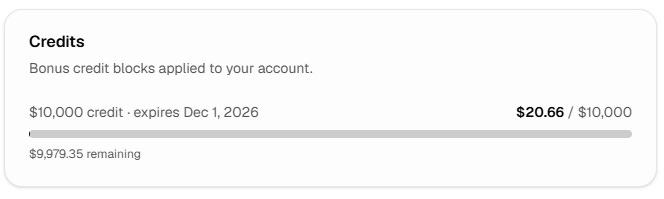
I walked out with $10,000 in Hyperagent credits just for showing up. That alone made the train ride worth it.
What I built
My entry was an agent called Sir Pitches-a-lot.
The job was narrow on purpose. Sir Pitches-a-lot exists to pitch Ashe Brands, my branding company, to prospective clients. That is the entire personality. I built it start to finish inside Hyperagent’s interface, which is genuinely pleasant to work in. You describe what you want, you wire up the behavior, and the thing runs. No glue code, no fighting a harness.
When the moment came, it pitched the person it was assigned to in the room, and it did a great job. The agent held its own. For something I had stood up in an afternoon, watching it pitch a real human in real time was the highlight of the event.
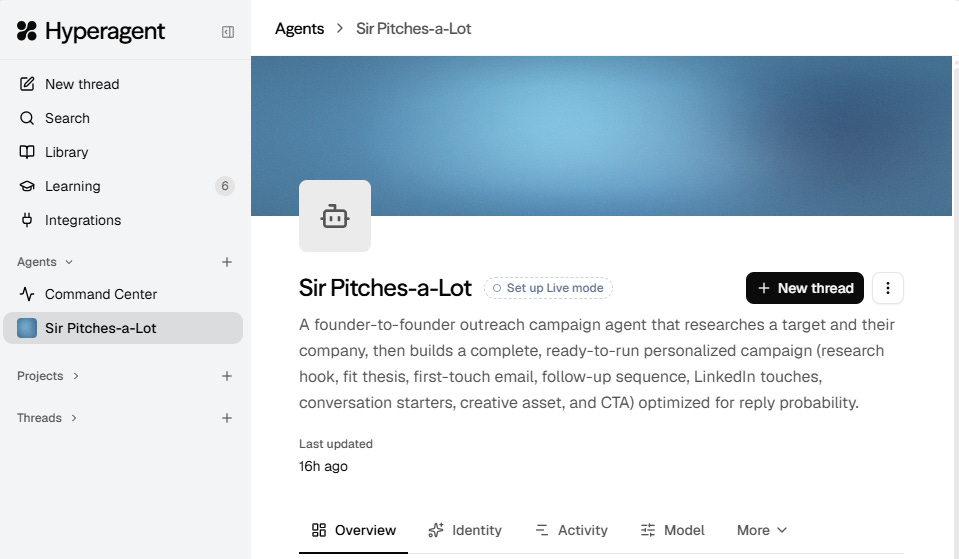
A couple of notes from the build. From where I sat, Hyperagent is a polished agent layer running on Claude. The models on offer were all Claude, at least for now, so with $10K in credits burning a hole in my pocket, I reached for the best one available, Opus 4.8. Obviously.
And the economics are the part that stuck with me. Hyperagent prices on tokens, so spend is real spend against real work. Building and running Sir Pitches A Lot for the whole competition cost me about $20. Which means I walked out with $9,980 still in the account. That is an absurd amount of runway for a tool I just met.
I can share the code for Sir Pitches-a-lot if anyone wants to poke at it.
The room
The people were the other half of the value. It was an eclectic crowd. I met Vic from Hyperagent, who does a lot of their social and training content. I met Elaine, who works at a major credit card company. I met Ed, who is a VC. I met a guy who had flown in from Europe for the week. Good conversations, the kind you only get when a room is full of people who actually build things.
They also loaded me up with merch. A name tag, a t-shirt, sunglasses, and a wristband. I did not put any of it on, but it is always nice to get handed something on the way in.
[IMAGE: flat-lay of the Hyperagent merch, t-shirt, sunglasses, wristband, name tag]
I did not stay to see who won. I wanted to catch my train and spend the evening with my family, so I ducked out before the final votes. No regrets there.
The actual problem
Here is the thing I am still chewing on.
I now have nearly ten grand in credits sitting inside a tool that is fun to use and clearly capable. I cannot picture a version of myself that does not dig in and build something real with it.
But the same night, Chief, my own agent running on the Hermes harness, did something on its own. Completely unprompted, it spun up a nightly job and built a small tool: an Affiliate Opportunity Scorecard that ranks content ideas by likely business value instead of vibes. A Python CLI, a generated HTML dashboard, unit tests, all of it working and sitting on my server when I woke up. I did not ask for any of it.
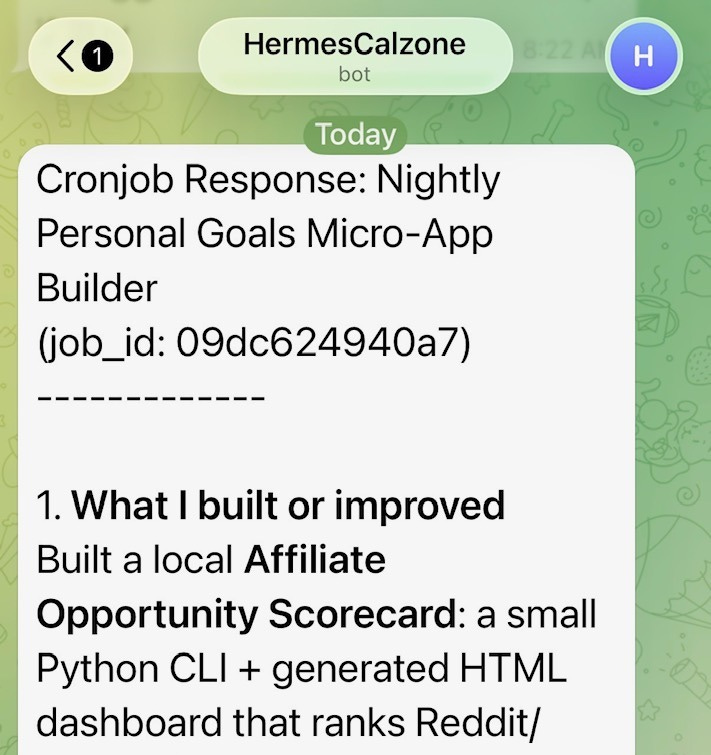
So that is the fork. Hyperagent is a polished playground with a five-figure head start. Hermes is mine, and Chief is already acting like a teammate who works the night shift without being told. I do not yet know how I split my time between them.
It is a good problem to have.